Have you ever looked at a photo taken by a professional photographer and wondered, "Why does their shot look so much richer and more detailed than mine, even though we have similar phones?" The answer often isn't just about skill or lighting—it is about the file format they are using. For years, professional DSLR cameras have had a secret weapon called "RAW" mode, which captures pure, unprocessed data. Now, that power is sitting right in your pocket.
If you have an iPhone Pro model (12 Pro or later), you have access to two features that can completely transform your creative output: Apple ProRAW for photos and ProRes for video. These aren't just buzzwords; they are the keys to unlocking the full potential of your camera sensor.
It might sound intimidating, but using these formats is actually quite simple. This guide will walk you through what these features are, why they matter, and how you can start using them today to capture memories in stunning professional quality.
What Exactly is Apple ProRAW?
To understand ProRAW, think of baking a cake. When you take a standard photo (usually a JPEG or HEIF file), your iPhone acts like a bakery that sells you a finished, pre-frosted cake. The phone’s computer decides how bright the image should be, how colorful it is, and sharpens it automatically. It looks good, but if you want to change the flavor or the frosting later, you can't. The decisions have already been made.
ProRAW is like receiving the ingredients—the batter, the frosting, and the decorations—separately. The iPhone still does some computational magic to help you out, but it leaves the final decisions to you. It captures a massive amount of information about light and color that a standard photo simply throws away to save space.
When you shoot in ProRAW, you might notice the photo looks a little "flat" or dull right after you take it. That is a good thing! It means the camera hasn't artificially boosted the contrast yet. This gives you incredible flexibility when editing. You can brighten up shadows that would normally be pitch black, or recover details in a bright sky that would normally be pure white.
Pro Tip: ProRAW files are significantly larger than standard photos. A standard photo might be 2 MB, while a ProRAW image can easily be 25 MB or even 75 MB (on 48MP cameras). Use this mode intentionally, or your storage will fill up fast!
When to Use ProRAW (And When to Skip It)
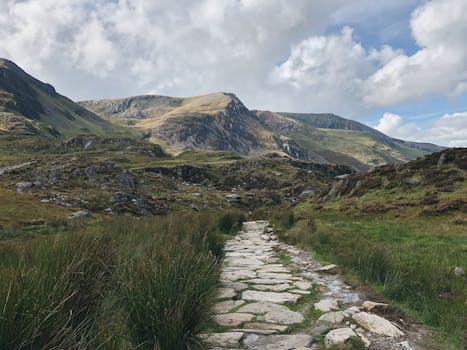
Just because you can shoot in ProRAW doesn't mean you should use it for every single picture. Since the file sizes are massive, it isn't practical for snapping a photo of your grocery list or a parking spot number. Here is a breakdown of when to toggle that "RAW" button on:
- High Contrast Scenes: If you are shooting a sunset where the ground is dark and the sky is bright, ProRAW allows you to balance the lighting in editing without the image looking grainy.
- Portraits and Landscapes: When you want to print a photo or display it on a large screen, the extra detail in ProRAW ensures the image remains sharp and crisp.
- Night Photography: Night mode works wonders, but ProRAW gives you even more control over the "noise" (grain) in dark areas, allowing for cleaner low-light shots.
- Product or Food Photography: If you need colors to be 100% accurate, ProRAW allows you to adjust the "White Balance" perfectly after the fact.
For casual snapshots, selfies, or quick social media stories, sticking to the standard HEIF/JPEG format is perfectly fine. The iPhone’s automatic processing is smart enough to handle those beautifully.
Mastering Cinema-Quality Video with ProRes
If ProRAW is for photographers, ProRes is the holy grail for videographers. ProRes is a video compression format developed by Apple that is used largely in the professional film and television industry. It is designed to preserve the highest possible video quality while making the footage easier for computers to edit.
When you record a standard video on your iPhone, the phone compresses the footage heavily to save space. In doing so, it loses some color data and fine detail. ProRes keeps that data intact. This results in video with better color fidelity and less "digital artifacts" (those blocky, pixelated squares you sometimes see in fast-moving video).
However, there is a catch: File Size. ProRes files are gigantic. One minute of 4K ProRes video can consume nearly 6 GB of storage. That is roughly the size of two full-length HD movies downloaded from a streaming service.
Warning: Unless you have a 1TB iPhone or are planning to offload the footage immediately to a computer or external drive, use ProRes sparingly. It is best reserved for short, cinematic clips where quality is paramount.
How to Enable ProRAW and ProRes
By default, these professional settings are turned off to save your storage space. Here is how to unlock them so they are ready when you need them:
To Enable ProRAW for Photos:
- Open the Settings app.
- Scroll down and tap on Camera.
- Tap on Formats.
- Toggle on ProRAW & Resolution Control.
- Once enabled, go to your Camera app. You will see a crossed-out "RAW" icon in the corner. Tap it to turn it on (no line through it) when you want to capture a ProRAW shot.
To Enable ProRes for Video:
- Go back to Settings > Camera > Formats.
- Scroll down to the Video Capture section.
- Toggle on Apple ProRes.
- In your Camera app, switch to Video mode. You will see a "ProRes" button at the top. Tap it to activate high-quality recording.
The Final Step: Editing Is Essential
Unlocking these formats is only half the battle. Remember, ProRAW and ProRes files are designed to be edited. If you share a raw file directly to Instagram without editing, it might actually look worse than a standard photo because it lacks contrast and saturation.
You don't need expensive software to edit these files. The built-in Photos app on your iPhone is incredibly powerful:
- Open your ProRAW photo and tap Edit.
- Start with the Auto wand to see what the iPhone suggests, but don't stop there.
- Adjust Highlights (lower them to see sky details) and Shadows (raise them to see dark details).
- Adjust Vibrance and Warmth to bring the color back to life.
Because you are editing a ProRAW file, you will notice that you can push these sliders much further than usual without the image breaking apart or looking weird. The flexibility is truly magical once you start playing with it.
Start Creating
Your iPhone Pro is more than just a smartphone; it is a creative studio. While standard modes are great for convenience, switching to ProRAW and ProRes invites you to slow down, compose your shot, and take control of the creative process.
Next time you find yourself in front of a breathtaking landscape or a perfect lighting scenario, toggle that RAW button on. You might be surprised by just how much "pro" quality you can pull out of your pocket.