
You’ve probably heard the old saying: "The best camera is the one you have with you." For millions of us, that camera is the iPhone. Over the last few years, Apple has packed an incredible amount of technology into that slim rectangle in your pocket. Yet, so many of us are still just pointing, shooting, and hoping for the best. Have you ever looked at a stunning photo on Instagram and thought, "My phone doesn't do that," only to find out it was shot on the exact same model you own?
The truth is, you don't need a bulky DSLR or a degree in fine arts to take breathtaking photos. You just need to unlock the features that are already hiding in plain sight within your Camera app. Whether you are snapping photos of your morning coffee, your energetic puppy, or a sunset on vacation, a few simple tweaks can transform your images from "camera roll clutter" to "frame-worthy art." Let’s dive into how you can start shooting like a pro today.
1. Master Composition with the Rule of Thirds
Before we even talk about lighting or filters, we need to talk about composition. The biggest mistake casual photographers make is placing their subject dead-center in every single shot. While this works for passport photos, it rarely makes for an interesting artistic image. To instantly upgrade your photography, you need to use the "Rule of Thirds."
Imagine your image is divided into nine equal segments by two vertical and two horizontal lines. The Rule of Thirds suggests that you should place the most important elements of your scene along these lines, or at the points where they intersect. This creates more tension, energy, and interest in the composition.
The good news? Your iPhone has a cheat sheet built right in.
- Open your iPhone Settings app.
- Scroll down and tap on Camera.
- Under the "Composition" section, toggle the switch for Grid to ON.
Now, when you open your camera, you will see faint grid lines overlaid on the screen. Use these to line up the horizon on a landscape or position your subject's eyes. It might feel unnatural at first to leave empty space in your photo, but that "negative space" is often what makes a photo look professional.
Pro Tip: When taking landscape photos, never put the horizon in the middle. If the sky is dramatic, put the horizon on the bottom line. If the foreground is interesting, put the horizon on the top line.
2. Take Control: The Magic of Focus and Exposure Lock
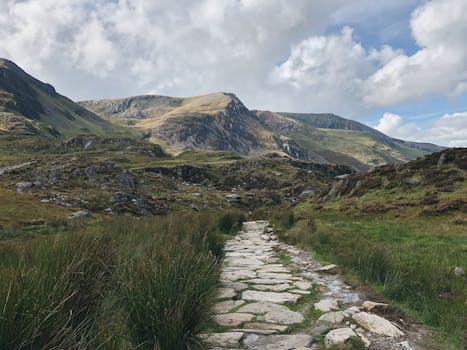
Your iPhone is incredibly smart. It automatically scans a scene to guess what you want to focus on and how bright the image should be. However, it doesn't always guess correctly. It tends to aim for a "safe" exposure, which often means brightening up shadows so much that the image looks flat, or blowing out a beautiful sunset until it looks like a white blob.
To take professional-looking photos, you need to tell the camera exactly what to do using the AE/AF Lock (Auto Exposure/Auto Focus Lock).
Here is how to take full control:
- Frame your shot and tap the screen where your main subject is. A yellow square will appear.
- Tap and hold that square for a couple of seconds until you see a yellow banner at the top that says AE/AF LOCK.
- Now, focus is locked. You can move the phone around without it trying to refocus on the background.
- Next to the yellow box, you will see a sun icon. Place your finger on the sun and drag it down.
Dragging that sun icon down lowers the exposure. This is the secret sauce to moody, dramatic photography. By slightly underexposing your photo (making it darker), you preserve rich colors and details that would otherwise be washed out. It is almost always easier to brighten a dark photo later than it is to fix a photo that is too bright.
3. Beyond the Selfie: Mastering Portrait Mode
Portrait Mode isn't just for pictures of faces. It is a tool that simulates "depth of field"—that beautiful creamy blur (bokeh) you see in professional camera shots where the subject is crisp and the background melts away. Apple uses sophisticated software to separate the foreground from the background, and knowing how to manipulate this can change your photography game entirely.
Using Portrait Mode effectively requires understanding light and distance. If you are too close or too far, the phone will warn you with a prompt like "Move farther away." But the real magic happens after you take the shot.
Did you know you can change the intensity of the blur after the fact?
- Open a photo you took in Portrait Mode.
- Tap Edit in the top right corner.
- Look for the f (f-stop) icon in the top left or bottom menu.
- A slider will appear at the bottom. Slide it left or right to increase or decrease the blur.
Additionally, you can change the lighting effects. In the editing menu, you’ll see a cube icon for "Portrait Lighting." You can cycle through options like Studio Light (which brightens the face) or Contour Light (which adds dramatic shadows). My personal favorite is Stage Light Mono, which turns the background pitch black and the subject black and white—instant drama.
Pro Tip: Portrait mode struggles with transparent objects like glasses or wispy hair. For the best results, try to shoot subjects against a background that contrasts with them in color or texture.
4. The Hidden Power of Live Photos: Long Exposure
Have you ever seen those dreamy travel photos where a waterfall looks like silky smooth milk, or a busy city street is a blur of car light trails? Historically, those shots required a tripod, a DSLR, and a slow shutter speed. On your iPhone, you can do it with a single tap, thanks to a hidden feature within Live Photos.
Live Photos capture 1.5 seconds of video before and after you press the shutter. Most people just treat them as moving memories, but that data can be converted into a long exposure shot.
Here is how to create the "silky water" effect:
- Make sure Live Photo is turned on (the concentric circles icon in the top right of the camera app).
- Find a moving subject (a waterfall, a fountain, or moving traffic) and hold your phone as steady as possible. Take the shot.
- Open the photo in your gallery.
- Tap on the LIVE dropdown menu in the top left corner of the image.
- Select Long Exposure from the list.
The phone will automatically stabilize the non-moving parts of the image (like the rocks or buildings) and blur the moving parts (the water or cars). It creates an incredibly professional look that usually impresses anyone who sees it.
5. The Final Polish: Editing Without Overdoing It
Taking the photo is only half the battle. The final step in unlocking pro photography is editing. However, "pro" editing doesn't mean slapping a heavy, vintage filter on everything. It means making subtle adjustments to enhance what is already there.
You don't need to buy expensive apps like Lightroom or Photoshop right away. The built-in Apple Photos editor is robust and powerful. When you hit Edit, avoid the "Magic Wand" (Auto) button for a moment and try adjusting these three specific sliders manually:
1. Brilliance: This is an Apple-exclusive smart tool. It brightens shadows, tones down highlights, and adds contrast all at once. It makes the photo pop without making it look fake.
2. Warmth: iPhone cameras sometimes lean towards cool, blue tones. Sliding the warmth slightly to the right (towards the yellow) gives photos a "Golden Hour" feel that is very welcoming to the human eye.
3. Vignette: This darkens the corners of the photo. Used sparingly, it subtly draws the viewer's eye toward the center of the image where your subject is.
Pro Tip: If you find an edit combination you love, you can copy it! Tap the three dots in the top right corner while editing, select Copy Edits, go to another photo, and select Paste Edits. This is how you create a consistent "aesthetic" for your photo album or social media feed.
The most important takeaway is this: your iPhone is a tool, and like any tool, it rewards practice. The next time you are out for a walk, don't just snap a picture and put the phone away. Stop, turn on your grid, lock your exposure, and look for the light. You might be surprised at the masterpiece sitting right there in your camera roll.