
Let’s be honest: the best camera is the one you have with you. For millions of us, that camera is the iPhone sitting in our pocket right now. Over the years, Apple has transformed the iPhone from a simple communication device into a photographic powerhouse that rivals dedicated DSLRs. However, most users simply open the Camera app, tap the shutter button, and hope for the best. While the iPhone’s automatic algorithms are fantastic, relying on them 100% of the time means you are missing out on the creative control that turns a "nice picture" into a "stunning photograph."
You don’t need to be a professional photographer or understand complex jargon like ISO and shutter speed to take breathtaking shots. Hidden within the menus and gestures of your iPhone screen are powerful tools designed to help you capture better light, sharper action, and more artistic compositions. Whether you are snapping photos of your morning coffee, your energetic puppy, or a breathtaking sunset, these hidden tricks will elevate your photography game instantly.
1. Master Composition with the Grid and Level
Before we talk about lighting or editing, we need to talk about composition. Have you ever looked at a photo and felt like it was just "off"? Usually, that’s because the subject is dead center, or the horizon is slightly crooked. Professional photographers live by the "Rule of Thirds," which suggests that an image is most pleasing when the subject is placed along grid lines that divide the image into nine equal parts.
Your iPhone has this feature built-in, but it is turned off by default. Turning it on provides a subtle overlay on your screen that guides your framing without showing up in the final photo.
Pro Tip: Place the most interesting part of your photo (like a person's eyes or a mountain peak) where the grid lines intersect, rather than in the center square. This creates more energy and interest in the shot.
Here is how to activate these composition tools:
- Open the Settings app on your iPhone.
- Scroll down and select Camera.
- Under the "Composition" section, toggle the switch for Grid to ON.
- If you are on iOS 17 or later, also toggle Level to ON.
The "Level" feature is a game-changer for landscape shots. When you hold your phone up to take a picture of the horizon, a broken line will appear in the center of the screen. When you tilt your phone until the line connects and turns yellow, you know your photo is perfectly straight. No more crooked sunsets!
2. Stop Letting the iPhone Guess Your Exposure
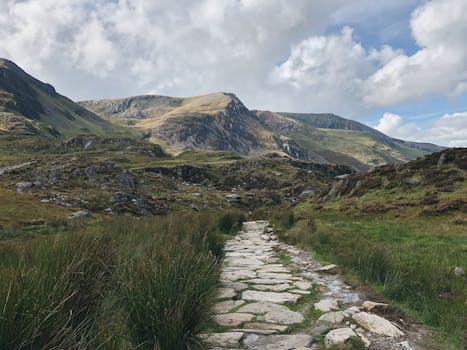
The iPhone is incredibly smart, but it doesn't know what you want the photo to look like. By default, the camera tries to balance the light so everything is visible. However, sometimes you want a moody, dark silhouette, or perhaps the camera is brightening a sunset so much that the rich oranges turn into washed-out yellows.
You can manually override the exposure (brightness) with a simple gesture that many users discover by accident but rarely use intentionally. This is crucial for concert photos, sunsets, or bright snowy days.
Follow these steps to take control of the light:
- Tap the screen where you want to focus (a yellow box will appear).
- Look for the small sun icon right next to the yellow box.
- Place your finger on the sun and slide it down to darken the image, or slide it up to brighten it.
- Snap the photo once the lighting looks exactly how you want it.
If you are trying to take a photo in a busy environment where things are moving, the camera might try to refocus, causing you to lose your exposure setting. You can use the AE/AF Lock (Auto Exposure/Auto Focus Lock) to fix this.
Did you know? To lock your focus and brightness settings, simply tap and hold on the screen for a couple of seconds until "AE/AF LOCK" appears in yellow at the top. Now, no matter how much you move the phone, the focus and lighting won't change.
3. Turn Live Photos into Long Exposure Art
One of the most impressive "hidden" features of the iPhone camera isn't actually in the Camera app—it’s in the Photos app. You know those professional-looking travel photos where a waterfall looks like silky smooth milk, or a busy city street is a blur of car light trails? Historically, that required a tripod and a slow shutter speed on a big camera. Now, you can do it with a tap.
This trick relies on Live Photos. When Live Photos are enabled (the concentric circle icon in the top right of the camera app), your iPhone records 1.5 seconds of video before and after you press the shutter. Most people view these as mini-videos, but the iPhone can mathematically blend those frames to create a long exposure effect.
Here is how to achieve the "Silky Water" look:
- Ensure Live Photo is turned on and take a steady shot of moving water, traffic, or a moving crowd. (Try to keep your hands as still as possible!).
- Open the Photos app and select the picture you just took.
- Tap on the Live menu in the top left corner of the photo.
- Select Long Exposure from the dropdown menu.
The phone will process the image for a moment, blurring all the movement while keeping the stationary objects sharp. It transforms a chaotic scene into something serene and artistic instantly.
4. Master the "f-stop" for Dreamy Portraits
Portrait Mode has been around for a while, blurring the background to make the subject pop. This simulates the "bokeh" effect seen in high-end photography. However, many users don't realize that the level of blur isn't permanent. You can adjust the intensity of the background blur after you have taken the photo.
This is incredibly helpful because sometimes the iPhone blurs too much, making the photo look fake, or it blurs too little, leaving a distracting trash can visible in the background.
To adjust your depth of field:
- Open a photo taken in Portrait Mode.
- Tap Edit in the top right corner.
- Look for the "f" icon (usually at the top left or bottom, depending on your iOS version) and tap it.
- A slider will appear at the bottom. Slide it left or right to increase or decrease the blur strength.
Lighting Secret: In the same Edit menu, you can also change the "Portrait Lighting." If your indoor lighting looks yellow and dull, try switching the lighting dial to "Studio Light" to brighten the face, or "Contour Light" to add dramatic shadows to the cheekbones.
5. Capture Action with Burst Mode and QuickTake
Have you ever tried to take a photo of a jumping dog or a child blowing out birthday candles, only to check your gallery and see you missed the moment by a split second? Timing is everything in photography. To ensure you never miss the perfect millisecond, you should stop tapping the shutter button and start sliding it.
Apple introduced gestures to the shutter button that allow you to switch modes without lifting your finger.
For Burst Mode (Photos):
To take 10 photos per second, touch the shutter button and immediately slide it to the left. The counter will increase rapidly, showing you how many shots you’ve taken. When you release, the phone stops capturing. Later, you can go into the Photos app, hit "Select," and choose the one perfect frame where eyes are open and the smile is perfect.
For QuickTake (Video):
Sometimes a photo isn't enough, and something funny starts happening unexpectedly. You don't have time to switch to "Video" mode. Instead, simply tap and hold the shutter button. As long as you hold it, you are recording video. If you want to keep recording without holding your thumb there, slide the button to the right to lock it into video recording mode.
Start Experimenting Today
The technology inside the iPhone camera is staggering, but it is the photographer behind the lens that makes the image special. These tricks—using the grid for composition, manually controlling exposure, utilizing Live Photo effects, and mastering burst mode—move you from being a passive picture-taker to an active creator.
The next time you pull your phone out, take an extra three seconds to think about your shot. Turn on that grid, tap to focus, slide that sun icon down just a touch, and see the difference it makes. Your camera roll is about to get a major upgrade.