
We’ve all been there. You are sitting at your desk, fully immersed in a deep-focus playlist on your Mac, typing away at a deadline. Suddenly, the music cuts out. Silence. Then, a split second later, you hear the muffled sound of a TikTok video playing from the iPhone lying three feet away because you accidentally brushed the screen. Your AirPods have betrayed you. They decided that the 15-second cat video was more important than your work flow.
This is the double-edged sword of Apple’s "Auto-Switching" feature. Introduced with fanfare in iOS 14, it was designed to be the ultimate convenience—a magical continuity that follows you from device to device without you lifting a finger. And when it works perfectly, it feels like living in the future. But when it doesn’t? It feels like your headphones have a mind of their own.
If you love your AirPods but hate the feeling of losing control over which device they are playing from, you are not alone. Let’s dive into how this feature works, why it sometimes goes rogue, and exactly how you can tame the magic to suit your lifestyle.
The Promise: How Auto-Switching Is Supposed to Work
Before we start turning things off, it is worth understanding what Apple was trying to achieve. The goal of Auto-Switching is seamlessness. Apple assumes that if you start playing audio on a different device logged into the same iCloud account, you must want to hear it.
In a perfect world, this feature is genuinely helpful. Imagine you are listening to a podcast on your iPhone while cooking dinner. You finish up, walk into the living room, and open your MacBook to watch a movie. As soon as you hit play on the movie, the AirPods automatically shift their focus to the laptop. No digging through Bluetooth menus, no disconnecting and reconnecting. It just works.
The feature relies on the H1 and H2 chips found in AirPods (2nd Gen and newer), AirPods Pro, and AirPods Max. It detects which device is actively playing audio and prioritizes it. It is particularly smart about phone calls; if your iPhone rings while you are watching a video on your iPad, the AirPods will snap to the phone immediately so you can answer.
Did You Know? Auto-Switching requires all your devices to be signed in to the same Apple ID with Two-Factor Authentication enabled. If you share an iPad with a spouse using a different Apple ID, the magic won't happen (which might actually be a blessing in disguise!).
When the Magic Gets Messy
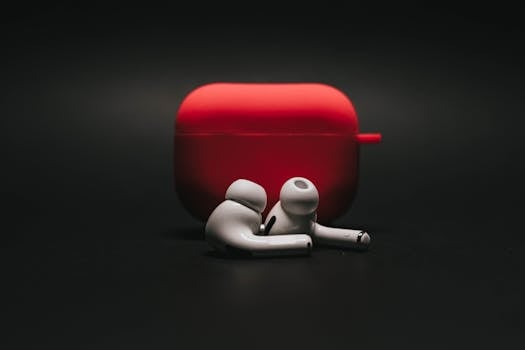
The problem with "smart" features is that they sometimes lack context. Your AirPods can detect audio signals, but they cannot detect your intent. They don't know that you only opened your iPad to check a recipe, not to listen to the auto-playing video ad in the corner of the screen.
Here are a few classic scenarios where Auto-Switching tends to cause frustration:
- The Social Media Scroll: You are listening to Spotify on your Mac, but you pick up your iPhone to quickly check Twitter or Instagram. A video auto-plays in your feed, and your AirPods aggressively switch to the phone, cutting off your music.
- The Shared Device: You are listening to an audiobook on your iPhone. Meanwhile, your child picks up the family iPad (which is logged into your account) to play a game. Suddenly, your audiobook stops, and your ears are filled with the sound effects of Roblox.
- The Accidental Wake: You are wearing your AirPods connected to your iPhone, and you open your MacBook just to check an email. Because the Mac wakes up and makes a system sound, the AirPods jump ship, leaving your iPhone audio playing out loud for everyone around you to hear.
If these scenarios raise your blood pressure, it is time to take manual control. Fortunately, Apple allows you to disable this feature, but they tuck the setting away inside the Bluetooth menu of each device.
How to Disable Auto-Switching on iPhone and iPad
The most important thing to remember is that you need to change this setting per device. If you want to stop your AirPods from automatically jumping to your iPad, you must change the settings on that iPad. If you want to stop them from jumping to your iPhone, you change the setting on the iPhone.
Here is the step-by-step guide to regaining control on iOS and iPadOS:
- Put your AirPods in your ears so they are connected to your device.
- Open the Settings app on your iPhone or iPad.
- Tap on Bluetooth.
- Find your AirPods in the list of devices and tap the small blue "i" (info) button next to their name.
- Scroll down until you see a section labeled Connect to This iPhone (or iPad).
- Tap that option. You will see two choices: Automatically and When Last Connected to This iPhone.
- Select When Last Connected to This iPhone.
So, what does "When Last Connected" actually mean? It means your AirPods will only connect to this device if it was the last thing they were connected to. If you were using them on your Mac last, and you pick up your iPhone, they won't switch over unless you manually tell them to via the Control Center or Bluetooth menu. This restores the "classic" Bluetooth behavior we were all used to before iOS 14.
How to Disable Auto-Switching on Your Mac
The Mac is often the biggest culprit for unwanted switching. You sit down to work, wake the computer, and it steals the connection from your phone. Here is how to stop your Mac from being so greedy.
Note that your AirPods must be connected to the Mac to see these settings. If you are having trouble keeping them connected long enough to change the setting, play some music on the Mac to force the connection to stay active.
- Click the Apple Menu () in the top-left corner and select System Settings (or System Preferences on older macOS versions).
- Click on Bluetooth in the sidebar.
- Find your AirPods in the list and click the small "i" (info) button next to them.
- Look for the setting labeled Connect to This Mac.
- Change the dropdown menu from Automatically to When Last Connected to This Mac.
- Click Done to save your changes.
Pro Tip: You don't have to disable this on every device! You might love it when your AirPods switch to your iPhone for calls, but hate when they switch to your iPad for games. You can leave the iPhone set to "Automatically" and set the iPad to "When Last Connected." Customize it to fit your workflow.
The Middle Ground: Using the "Moved to..." Banner
Maybe you don't want to turn off the feature entirely. Maybe you just want a way to quickly reverse a switch when it happens by accident. Apple actually built a solution for this, though it is easy to miss if you aren't looking for it.
When your AirPods auto-switch to a new device—say, from your Mac to your iPhone—a small banner notification appears at the top of the screen on the device you were using (the Mac, in this example). It usually says "Moved to iPhone."
Next to that text is a small blue arrow or a button that says Revert (or simply a "back" icon). If you click that banner quickly before it disappears, your AirPods will snap back to the original device immediately. It’s a handy "Undo" button for Bluetooth connections. The catch? You have to be quick. The banner only stays on screen for a few seconds.
Manual Switching: The "Old School" Method
Once you have disabled Auto-Switching, you might be wondering: "Is it going to be a pain to switch devices now?" Not at all. Apple has made manual switching incredibly fast via AirPlay.
You don't need to dive into the deep Settings menu every time. Instead, use the Control Center:
- On iPhone/iPad: Swipe down from the top-right corner to open Control Center. Tap the AirPlay icon (the triangle with circles) in the top right of the music widget. Select your AirPods from the list.
- On Mac: Click the Control Center icon in the menu bar (the two toggle switches). Click "Sound," then select your AirPods.
This method gives you intentionality. You are telling the device, "I am ready to listen here now," rather than letting an algorithm guess your next move. For many users, this small extra step is worth the peace of mind knowing your audio won't be hijacked unexpectedly.
At the end of the day, technology serves you, not the other way around. Whether you embrace the automatic magic or prefer the manual control of the "When Last Connected" setting, the best setup is the one that lets you enjoy your music, podcasts, and calls without interruption.