
Picture this: You are sitting comfortably on your couch, completely immersed in a gripping podcast episode on your iPhone. The suspense is building, the narrator is about to reveal the twist, and you decide to open your iPad just to check a quick email. Suddenly, the narrator’s voice vanishes. Silence. Then, a split second later, the blasting sound of a YouTube auto-play video from your iPad assaults your ears.
Sound familiar? If you live in the Apple ecosystem, you have likely experienced the "magic" of AirPods Automatic Switching. When Apple introduced this feature, it was heralded as a seamless way to move between your devices without diving into Bluetooth menus. Ideally, your audio follows you from your iPhone to your iPad to your Mac as you move through your day.
However, in the real world, "seamless" can sometimes feel a bit more like "aggressive." While the technology is impressive, it isn't always psychic. It doesn't know that you opened your Mac just to check a file, not to take over the DJ booth. The good news is that you don't have to live at the mercy of the algorithm. You can tame your audio experience and decide exactly how your AirPods behave.
Understanding the Magic (and the Madness)
Before we start flipping switches, it is helpful to understand what is actually happening. Automatic Switching uses your iCloud account to link your AirPods (or supported Beats headphones) to all your Apple devices simultaneously. It monitors which device is actively playing audio and attempts to route that sound to your ears intelligently.
For example, if you are watching a movie on your iPad and your iPhone rings, the AirPods are smart enough to pause the movie and switch the audio to the phone call. That is the "magic" part, and it is genuinely useful. The "madness" begins when the devices compete for attention in ways you didn't intend, such as a notification sound on a Mac hijacking your music session on your phone.
Did You Know? Automatic Switching is available on AirPods Pro, AirPods (2nd and 3rd generation), AirPods Max, and select Beats models. If your device is running the latest software versions, this feature is turned on by default.
How to Regain Control on iPhone and iPad
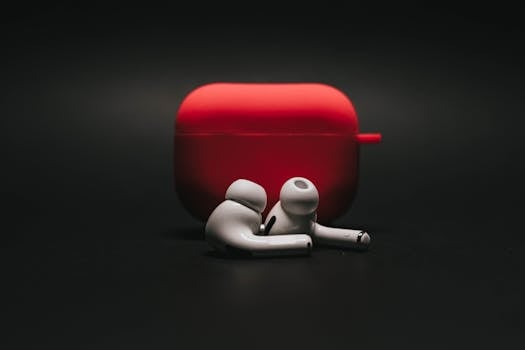
If you find that your AirPods are jumping away from your iPhone or iPad too frequently, you can change the settings to make the connection more intentional. This doesn't mean you lose the ability to use your AirPods with multiple devices; it just means you are switching back to "manual transmission" rather than "automatic."
Here is how to stop your AirPods from automatically switching to your iPhone or iPad unless you specifically ask them to:
- Put your AirPods in your ears so they connect to your device.
- Open the Settings app on the device you want to modify (e.g., your iPad).
- Tap on Bluetooth.
- Find your AirPods in the list and tap the small blue "i" icon (info button) next to the name.
- Scroll down to find the section labeled Connect to This iPhone (or iPad).
- You will see two options: Automatically and When Last Connected to This iPhone.
- Select When Last Connected to This iPhone.
Let’s decode what that change actually does. When you select "When Last Connected," your AirPods will only connect to that device if it was the last device you were using, or if you manually select the AirPods from the AirPlay menu or Control Center. It stops the device from "stealing" the connection just because it woke up.
Taming the Mac: The Usual Suspect
For many users, the Mac is the biggest offender. You might be listening to music on your phone, lift the lid of your MacBook to do some work, and suddenly the audio cuts out because the Mac took over. This is particularly annoying if you have websites with auto-playing videos or system sounds enabled.
Fortunately, configuring this on macOS is just as easy as on iOS. Follow these steps to prevent your Mac from hijacking your audio stream:
- With your AirPods connected to your Mac, click the Apple Menu in the top-left corner.
- Select System Settings (or System Preferences on older macOS versions).
- Click on Bluetooth in the sidebar.
- Find your AirPods in the device list and click the "i" info button.
- Look for the setting labeled Connect to This Mac.
- Change the dropdown menu from Automatically to When Last Connected to This Mac.
- Click Done to save your changes.
Once this is done, your Mac will respect your current audio session. If you want to listen to audio from your Mac, you will simply click the volume icon in the menu bar or Control Center and select your AirPods. It adds one click to the process, but it saves you infinite frustration.
The "Middle Ground" Strategy
You might be thinking, "Do I have to turn this off on everything?" Not necessarily. The beauty of these settings is that they are device-specific. You can customize the behavior based on how you use your gadgets.
For example, you might love that your AirPods switch automatically between your iPhone and your Apple Watch while you are at the gym. In that case, leave the setting on Automatically for those devices. However, you might hate it when your family iPad steals the connection while you are cooking dinner. In that case, set the iPad to When Last Connected.
Pro Tip: If you use a shared family device, like an iPad in the living room, absolutely turn Automatic Switching to "When Last Connected" on that specific device. This prevents your headphones from connecting to the iPad every time your child or partner turns it on to play a game.
Mastering Manual Switching (It’s Faster Than You Think)
If you decide to turn off Automatic Switching, you might worry that moving audio between devices will become a chore. It really isn't. Apple has made manual switching incredibly fast via the Control Center. This gives you the best of both worlds: the reliability of a wired connection with the freedom of wireless.
Here is the quickest way to pull audio to a new device manually:
- On iPhone/iPad: Swipe down from the top-right corner to open Control Center. Tap the AirPlay icon (the triangle with circles) in the top-right of the music widget. Tap your AirPods.
- On Mac: Click the Control Center icon in the menu bar (looks like two toggle switches). Click Sound, then select your AirPods.
- On Apple TV: Hold down the TV button on the remote to open the Control Center side menu. Select Audio Controls and choose your headphones.
By relying on these manual triggers, you ensure that audio only switches when you are ready for it, not when a rogue notification decides it is time.
The Verdict: Automation vs. Intention
Apple’s ecosystem is designed to be helpful, anticipating your needs before you even articulate them. Automatic Switching is a prime example of this philosophy. When it works, it feels futuristic. But technology is personal, and what works for a minimalist user with two devices might be chaos for a power user with four.
Don’t be afraid to dive into those Bluetooth settings. By changing that one setting from "Automatically" to "When Last Connected," you aren't downgrading your device; you are customizing it. You are telling your technology that while you appreciate the help, you prefer to be the captain of your own ship.
So go ahead, tame your audio. Enjoy your podcast without fear of interruption, and let your Mac wait its turn. Your ears will thank you.