
You have probably heard the phrase, "The best camera is the one you have with you." For millions of people, that camera is an iPhone. But if you have treated yourself to a "Pro" model in the last few years, you are carrying around a lot more than just a point-and-shoot camera. You are carrying a cinema-grade production studio in your pocket.
You might have noticed toggle buttons in your camera app labeled RAW or ProRes, hesitated for a moment, and then turned them back off because you weren't quite sure what they did. You aren't alone! These features can seem intimidating, sounding like technical jargon reserved for Hollywood directors or professional photographers.
The truth? They are incredibly powerful tools that can transform your family photos, travel clips, and creative projects from "good" to "breathtaking"—if you know how to use them. Let’s demystify these formats and unlock the full potential of your iPhone.
The RAW Truth: What is Apple ProRAW?
To understand ProRAW, we first need to look at how a standard photo (HEIC or JPEG) works. When you snap a normal picture, your iPhone acts like a chef. It takes the ingredients (light data), chops them up, cooks them, adds seasoning (contrast, saturation, sharpening), and serves you a finished meal. It looks great, but you can’t un-cook the steak or take the salt out if the chef added too much.
ProRAW is different. It gives you the ingredients and the recipe, but it doesn't bake the cake yet. It combines the smart computational photography of the iPhone (like Deep Fusion and Smart HDR) with the uncompressed data of a traditional RAW image.
Analogy Time: Imagine a standard photo is a developed Polaroid—what you see is what you get. A ProRAW file is like a digital negative. It might look a little flat or dull at first glance, but it holds a massive amount of hidden information in the shadows and highlights that you can bring out later.
When you shoot in ProRAW, you gain incredible flexibility in editing:
- White Balance Recovery: Did the restaurant lighting make your skin look orange? With ProRAW, you can change the color temperature after the fact without ruining the image quality.
- Shadow Detail: In a high-contrast sunset photo, the foreground usually looks pitch black. In ProRAW, you can slide the shadow exposure up and reveal the details of the rocks or trees that seemed lost.
- Less Noise: Because the iPhone doesn't apply aggressive noise reduction automatically, you have more control over the grain in night shots.
When to Use ProRAW (and When to Skip It)
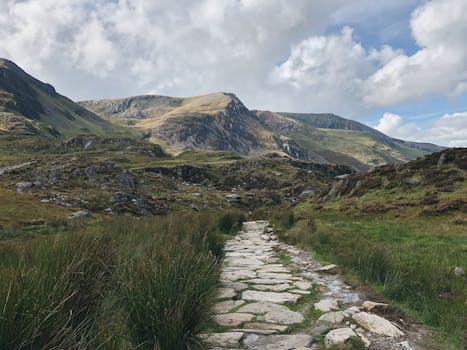
While ProRAW is amazing, it isn't necessary for every single snap. In fact, for casual use, it might be overkill. ProRAW files are huge—often 10 to 12 times larger than a standard photo. If you shoot everything in RAW, your iCloud storage will fill up in a heartbeat.
You should turn on ProRAW when:
- Lighting is tricky: High contrast scenes, such as a bright window in a dark room, or mixed indoor/outdoor lighting.
- Night Photography: You want to capture the stars or a cityscape and plan to edit the photo to reduce grain manually.
- "The Shot": You are taking a portrait, a landscape, or a special memory that you might want to print large or frame later.
Stick to standard HEIC/JPEG when:
- You are taking a picture of a receipt, a parking spot, or a grocery list.
- You need to snap 20 photos of your dog in rapid succession (Burst mode doesn't work with ProRAW).
- You have no intention of editing the photo and just want to post it to Instagram immediately.
ProRes: Hollywood Quality Video
If ProRAW is for photographers, ProRes is for the aspiring filmmakers. ProRes is a video codec (a way of compressing video) that is an industry standard in television and commercials. It offers higher color fidelity and less compression than the standard video your iPhone shoots.
Standard iPhone video is highly compressed to save space. It throws away data that your eye might not notice immediately. ProRes keeps that data. This means if you are color grading your footage—making it look moody, cinematic, or vibrant—the video won't fall apart or look pixelated.
Warning: Storage Heavy! ProRes files are massive. A single minute of 4K ProRes video can consume nearly 6GB of space. That is not a typo. If you have a 128GB iPhone, you can fill your entire phone with just 20 minutes of footage.
Because of the file size, ProRes is best reserved for specific creative shots where you need the highest possible quality, or if you are filming a project you intend to edit professionally on a computer using software like Final Cut Pro or Adobe Premiere.
How to Enable and Use These Features
Ready to give it a try? Apple hides these settings so you don't accidentally fill up your storage, so you have to enable them manually first.
Step 1: Enable in Settings
- Open the Settings app on your iPhone.
- Scroll down and tap Camera.
- Tap on Formats.
- Under "Photo Capture," toggle on ProRAW & Resolution Control.
- Under "Video Capture," toggle on Apple ProRes.
Step 2: Shooting
Once enabled in settings, you will see new buttons in your Camera app interface.
- For Photos: Look for the "RAW" or "RAW MAX" icon in the top right corner. If it has a line through it, it's off. Tap it to turn it on (no line).
- For Video: Switch to Video mode and look for the "ProRes" button in the top corner. Tap to enable it.
Editing: The Final Step
Shooting in ProRAW or ProRes is only half the battle. Remember, these formats are designed to be edited. If you shoot a ProRAW photo and share it directly without editing, it might actually look worse (flatter and less sharp) than a standard photo.
You don't need a computer to edit these files; your iPhone is more than capable:
- Apple Photos App: The native "Edit" button is surprisingly powerful for ProRAW. Hit "Auto" to see what the iPhone thinks looks best, then manually tweak the "Shadows" and "Brilliance" sliders to see the magic of RAW data recovery.
- Lightroom Mobile: For the enthusiasts, Adobe Lightroom is the gold standard for mobile RAW editing. It offers masking and advanced color grading that really makes ProRAW shine.
- Video Editors: For ProRes, you can use the Photos app for basic trimming and color, but apps like LumaFusion or DaVinci Resolve for iPad allow you to really push the colors of those high-quality files.
The "Pro" in your iPhone isn't just a marketing term—it's an invitation to create. By understanding when to switch from standard snapshots to ProRAW and ProRes, you take control of the creative process. So go ahead, toggle that RAW button on for your next sunset, and see just how much beauty you can capture.