
Have you ever looked at a photo taken by a professional photographer and wondered, "Why does their shot look so much richer than mine, even though we have similar phones?" The secret often isn't just about composition or lighting—it’s about the file format. For years, professional cameras have had a distinct advantage over smartphones because they could shoot in RAW formats. But with recent generations of the iPhone Pro, Apple has leveled the playing field.
Enter ProRAW and ProRes. These aren't just fancy marketing buzzwords; they are powerful tools that unlock the full potential of your iPhone's camera sensor. They strip away the automatic processing your phone usually applies, giving you, the creator, complete control over the final look. If you are ready to graduate from taking snapshots to creating art, this guide is your starting line.
What Exactly Are ProRAW and ProRes?
To understand why these formats matter, we need to look at how your iPhone usually works. When you snap a standard photo (HEIC or JPEG), your iPhone makes a split-second decision. It analyzes the scene, balances the colors, sharpens the edges, and compresses the file to save space. It’s like buying a pre-made frozen dinner: it’s quick, convenient, and usually tastes pretty good, but you can’t change the ingredients once it’s cooked.
ProRAW is different. It captures the raw data straight from the image sensor without permanently "baking in" those decisions. It gives you the raw ingredients—the flour, eggs, and sugar—so you can bake the cake exactly how you like it. You get massive amounts of data regarding color and dynamic range (the difference between the darkest and brightest parts of the photo).
ProRes is the video equivalent. It is a high-fidelity video compression format widely used in the film and television industry. While standard video compresses the footage to save space (often losing detail in the process), ProRes preserves exceptional image quality and color depth. It allows for smoother playback in editing software and holds up much better when you start color grading.
How to Master Apple ProRAW for Photography
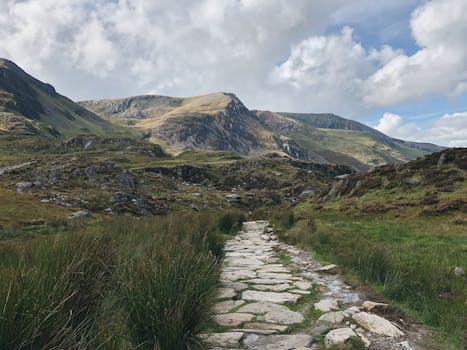
Enabling ProRAW is the first step toward photos that look less like "phone pics" and more like DSLR shots. However, it is important to know that ProRAW files are much larger than standard photos—often 10 to 12 times larger. Because of this, you shouldn't use it for every photo of your lunch or a quick receipt.
How to set it up:
- Open Settings on your iPhone.
- Scroll down and tap Camera.
- Tap Formats.
- Toggle on ProRAW & Resolution Control.
- Once enabled in settings, open your Camera app. You will see a "RAW" icon in the top right corner. Tap it to turn it on (no slash through it) or off for that specific shot.
When to use ProRAW:
The best time to use ProRAW is in challenging lighting conditions. For example, imagine you are taking a photo of a sunset. In a standard photo, the foreground might be pitch black while the sun is perfectly exposed. With a ProRAW file, you can go into the edit settings later and lift the shadows to reveal the trees or people in the foreground without the image becoming grainy or muddy. It is also exceptional for indoor lighting where the white balance (the color temperature) might be slightly off.
Pro Tip: ProRAW images might look "flat" or slightly dull immediately after you take them. Don't panic! This is intentional. The camera hasn't added artificial contrast or saturation, leaving that creative choice up to you in the editing process.
Cinematic Quality with ProRes Video
If you have ever tried to edit a video on your computer and noticed the colors falling apart or the image getting blocky, you have experienced the limitations of standard compression. ProRes solves this. It is designed for creators who want to edit their footage on a computer using software like Final Cut Pro, DaVinci Resolve, or Adobe Premiere.
How to set it up:
- Go to Settings > Camera > Formats.
- Under the "Video Capture" section, toggle on Apple ProRes.
- Open the Camera app and switch to Video mode.
- Tap the "ProRes" button at the top of the screen to activate it.
The visual difference with ProRes is subtle on the phone screen, but massive in post-production. The colors are deeper, and the details in fast-moving textures (like water or leaves blowing in the wind) remain crisp rather than turning into a blur.
Warning: ProRes files are gigantic. A single minute of 4K ProRes video can consume nearly 6GB of storage space. If you have a 128GB iPhone, you will run out of space very quickly. Only use this for specific shots where quality is paramount, not for recording a 30-minute school play.
The Magic Happens in the Edit
Shooting in these formats is only half the battle; the real magic happens when you edit. Because these files hold so much data, you can push the sliders in your editing app much further than you ever could before.
For ProRAW photos, you don't even need a computer. The native Apple Photos app is surprisingly powerful:
- Open your ProRAW photo and tap Edit.
- Start with Highlights and Shadows. You will be amazed at how much detail you can recover from a bright sky or a dark corner.
- Adjust the Warmth and Tint. Since the white balance isn't baked in, you can completely change the mood of the photo from cool blue to golden warm without ruining the image quality.
- Use the Definition slider to bring out textures in architecture or landscapes.
For ProRes video, while you can do basic trimming on your phone, you will likely want to export the footage to an iPad or Mac. This allows you to color grade—changing the visual tone of the film to look moody, vibrant, or vintage—without the image degrading.
Managing the Megabytes: Storage Solutions
The biggest hurdle to shooting like a pro is storage management. Because these files are massive, you need a strategy so your phone doesn't freeze up in the middle of a shoot. Here is how the pros manage their iPhone storage:
If you have an iPhone 15 Pro or newer with a USB-C port, you have a game-changing feature: Direct Recording to External Storage. You can plug a portable SSD (Solid State Drive) directly into your iPhone. When you shoot ProRes video, the file bypasses your phone's internal storage and saves directly to the drive. This is how filmmakers use the iPhone to shoot commercials and short films without worrying about space.
For photographers using ProRAW, utilize iCloud Photos or AirDrop. After a day of shooting, AirDrop your RAW files to your Mac or iPad for safekeeping and editing, then delete them from your phone to free up space. If you use iCloud, ensure you have "Optimize iPhone Storage" turned on, but remember that uploading huge RAW files takes time and data.
Mastering ProRAW and ProRes turns your iPhone from a point-and-shoot camera into a creative canvas. It requires a little more effort and a bit more storage, but the moment you salvage a "ruined" photo by recovering the shadows, or color-grade a video clip that looks like it came from a cinema camera, you’ll never want to go back.