
You’ve probably heard the buzzwords thrown around during Apple Keynotes or seen them toggled off in your camera settings: ProRAW and ProRes. Maybe you’ve even turned them on, taken a photo, realized the file size was huge, and immediately turned them back off. But if you have an iPhone "Pro" model (iPhone 12 Pro or later), you are carrying a cinema-grade camera in your pocket that is capable of far more than just quick snapshots for social media.
For the everyday user, these terms can feel intimidating. They sound like features reserved for Hollywood directors or professional photographers with expensive desktop software. The truth? They are actually designed to help you take better photos of your dog, your vacation sunsets, and your family gatherings. Let’s demystify these features and look at how you can use them to turn your iPhone gallery into a professional portfolio.
Understanding Apple ProRAW: The Digital Negative
To understand ProRAW, we first need to understand what happens when you normally take a picture (usually a HEIC or JPEG file). When you snap a standard photo, your iPhone acts like a chef. It takes the ingredients (the light hitting the sensor), chops them up, cooks them, seasons them, and serves you a finished dish. It decides how bright the shadows should be, how vibrant the colors are, and how sharp the details look. 90% of the time, the iPhone is a five-star chef and makes great decisions.
However, sometimes the chef gets it wrong. Maybe the sunset is too dark, or your subject’s face is washed out. With a standard JPEG, you can’t fix much because the "dish" is already cooked. You can’t take the salt out of the soup.
ProRAW is different. When you shoot in ProRAW, the iPhone gives you the raw ingredients. It saves all the data the camera sensor captured without making permanent decisions on color or exposure. It creates a "Digital Negative." This means that later, you get to be the chef. You can brighten shadows without them looking grainy, or rescue a bright sky that looks completely white in a standard photo.
Tip: ProRAW photos look a bit "flat" or dull immediately after you take them. Don't panic! This is intentional. It’s a neutral starting point designed to give you maximum freedom when editing.
How to Enable and Use ProRAW
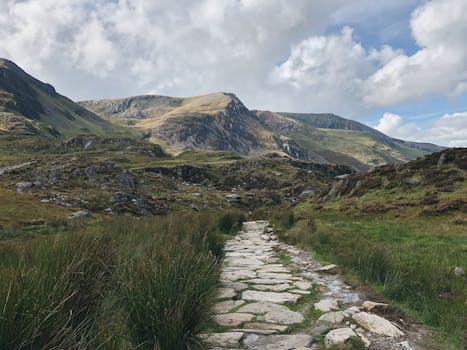
Ready to try it? First, we need to make sure your camera is set up correctly. This feature isn't on by default because the files are much larger than standard photos.
- Open the Settings app on your iPhone.
- Scroll down and tap on Camera.
- Tap on Formats.
- Under "Photo Capture," toggle on ProRAW & Resolution Control.
- Tap "Pro Default" to choose between 12MP (smaller file, great quality) or 48MP (huge file, incredible detail) if you have an iPhone 14 Pro or newer.
Once enabled in settings, using it is a breeze. Open your Camera app, and you will see a small "RAW" or "RAW MAX" icon in the top right corner. If it has a line through it, it’s off. Tap it to turn it on, and snap away.
When should you use it? You don’t need ProRAW for a picture of your grocery list or a parking spot number. Save it for high-stakes photography: dramatic landscapes, portraits in tricky lighting, or night shots where you want to edit the colors later.
ProRes: Hollywood Video in Your Pocket
If ProRAW is for photographers, ProRes is for the videographers. In the professional film industry, ProRes is a gold standard format. It offers high color fidelity and low compression. Think of it like this: standard iPhone video is highly compressed to save space, like an MP3 song. It sounds (or looks) good, but some data is thrown away. ProRes is like a vinyl record or a lossless audio file—it keeps every ounce of quality.
When you shoot in ProRes, you are capturing video with significantly more color data. This is vital if you plan on "color grading" your footage—changing the mood, contrast, or tint of the video in editing software like iMovie, Final Cut Pro, or DaVinci Resolve.
Warning: ProRes files are massive. A single minute of 4K ProRes video can consume over 6GB of storage space. If you have a 128GB iPhone, you will run out of space very quickly. For the newest iPhone 15 Pro and 16 Pro users, you can actually record ProRes directly to an external USB-C hard drive to bypass your phone's storage limits!
To enable this, go back to Settings > Camera > Formats and toggle on Apple ProRes under the Video Capture section. Just like with photos, a button will appear in your Video interface allowing you to toggle it on or off.
Editing: Where the Magic Happens
Shooting in ProRAW or ProRes is only half the battle. If you just shoot and share without editing, your content might actually look worse than standard shots because it lacks that automatic "pop" the iPhone usually adds. To get the "Pro" look, you need to edit.
Fortunately, you don't need a computer. The built-in Apple Photos app is incredibly powerful for ProRAW:
- Open your ProRAW photo and tap Edit.
- Start with the Auto wand to see what the iPhone suggests, but don't stop there.
- Adjust Highlights (bring them down to see details in clouds).
- Adjust Shadows (bring them up to see details in dark areas).
- Play with Warmth and Tint. Because it’s a RAW file, changing the white balance looks natural, not like a filter slapped on top.
For those who want to go a step further, apps like Adobe Lightroom Mobile or Darkroom offer even more granular control over your ProRAW files, allowing you to edit specific colors or apply masking.
Practical Examples for the Everyday User
So, when should you actually flip that switch? Here are three real-world scenarios where these formats shine:
1. The "Golden Hour" Landscape
You are on vacation, and the sun is setting. The sky is a beautiful mix of orange and purple, but the foreground (your family) is in a shadow.
Standard Photo: The sky turns white (blown out) or your family looks like silhouettes.
ProRAW: You expose for the sky. In editing, you can lift the shadows on your family’s faces without ruining the sunset colors.
2. The Candlelit Birthday Cake
Low light is notoriously difficult for cameras. The software tries to remove "noise" (grain), which often makes skin look waxy or blurry.
ProRAW: You get a grainier image initially, but you can control exactly how much noise reduction to apply in editing, keeping the texture of the moment real and sharp.
3. Creating a Travel Reel
You want to make a cinematic montage of your trip to Italy.
ProRes: Recording your clips in ProRes allows you to apply a consistent "film look" or LUT (Look Up Table) across all your clips later, ensuring the greens of the vineyards and the blues of the ocean match perfectly, giving you that high-end documentary feel.
Your iPhone is an incredibly powerful tool. While the automatic settings are fantastic for daily life, mastering ProRAW and ProRes unlocks a level of creativity that used to require thousands of dollars in gear. So go ahead, toggle that switch, fill up that storage, and start creating something extraordinary.