
Let’s be honest: the best camera isn’t the expensive DSLR gathering dust on a shelf at home. It’s the one currently sitting in your pocket or purse. Over the last few years, the iPhone has evolved from a simple communication device into a formidable imaging powerhouse. Whether you are rocking the latest iPhone Pro Max or holding onto a model from a few years ago, the hardware is likely capable of capturing stunning, gallery-worthy images.
However, having great hardware is only half the battle. If you are simply opening the Camera app and tapping the shutter button, you are leaving a massive amount of creative potential on the table. You don’t need a degree in photography to take better pictures; you just need to know which settings to tweak and which hidden features to unlock. Let’s dive into the essential tricks that will take your iPhone photography from "snapshot" to "professional."
1. Master the Light: Exposure Control and AE/AF Lock
Have you ever tried to take a photo of a beautiful sunset, only to have the foreground turn pitch black? or perhaps you tried to photograph a friend standing in front of a window, and they turned into a silhouette? This happens because your iPhone is trying to balance the light automatically, and sometimes it gets confused by high-contrast scenes.
While the iPhone is smart, it doesn't know exactly what you want the photo to look like. Taking control of the exposure (how bright or dark the image is) is the single fastest way to improve your photography.
Here is how to manually control your lighting:
- Tap to Focus: Tap the screen where your main subject is. A yellow box will appear.
- The Sun Slider: Look for the small sun icon next to the yellow box. Place your finger on the screen and slide it up to brighten the image or down to darken it.
- Lock It In: If you are moving around or the light is changing, tap and hold the screen for a few seconds until you see AE/AF LOCK appear in yellow at the top. This locks both the focus and the exposure, so the camera won't automatically readjust if you move your hand.
Pro Tip: When shooting concerts or dramatic landscapes, try dragging the exposure slider down slightly. This usually makes colors richer and creates a moodier, more cinematic atmosphere.
2. Composition 101: The Magic of the Grid
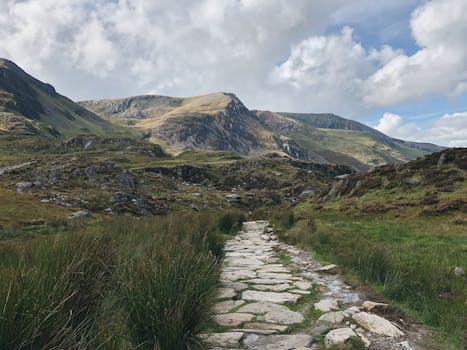
You might have heard of the "Rule of Thirds." It is a classic photography concept that suggests an image is most pleasing to the eye when it is divided into nine equal parts by two vertical and two horizontal lines. The theory is that you should place the most important elements of your scene along these lines or at the points where they intersect.
Apple has built this feature right into your phone, but it is turned off by default for many users. Turning it on gives you a constant guide to help frame your shots better.
To enable the grid:
- Open the Settings app on your iPhone.
- Scroll down and select Camera.
- Toggle the switch for Grid to the green (ON) position.
Once this is on, you will see faint lines across your screen. Try to avoid placing your subject dead-center every time. If you are photographing the horizon, align it with the top or bottom horizontal line. If you are photographing a person, place their eyes along the top horizontal line. This simple shift creates more tension and interest in the photo.
Hidden Feature: The Grid tool also activates a leveling feature! If you are taking a "flat lay" photo (shooting straight down at a plate of food or a desk), two crosshairs will appear in the center of the screen. When you line up the white and yellow crosses, your phone is perfectly parallel to the ground.
3. Portrait Mode: It’s Not Just for Faces
Portrait Mode revolutionized mobile photography by introducing the "bokeh" effect—that creamy, blurred background that used to be achievable only with expensive professional lenses. While the name suggests it is for people, Portrait Mode is an incredible tool for inanimate objects, pets, and nature shots.
However, the real secret to Portrait Mode isn't taking the photo; it's editing it. The iPhone allows you to adjust the depth of field (how blurry the background is) after you have already taken the picture. This gives you complete creative control.
How to adjust depth after the shot:
- Open a photo taken in Portrait Mode in your Photos app.
- Tap Edit in the top right corner.
- Tap the f (f-stop) icon in the top left.
- A slider will appear at the bottom. Slide it left or right to increase or decrease the blur.
Sometimes the default blur is too aggressive and looks artificial. Dialing the f-stop number up (for example, from f/2.8 to f/4.5) can make the photo look much more natural and realistic.
4. The Long Exposure Hack with Live Photos
Have you ever seen those dreamy travel photos where a waterfall looks like silky smooth milk, or a night shot of a city where car headlights are long streaks of light? Traditionally, this requires a tripod and a slow shutter speed. On the iPhone, you can cheat using Live Photos.
Live Photos capture 1.5 seconds of video before and after you press the shutter. Most people just treat these as moving pictures, but the iPhone software can analyze that movement and blend it into a single long-exposure image.
Here is how to create the effect:
- Ensure Live Photo is turned on (the concentric circles icon in the top right of the camera app).
- Take a photo of something with continuous movement (a waterfall, a fountain, or passing traffic). Try to hold your hands as steady as possible.
- Open the photo in your gallery.
- Tap the LIVE button in the top left corner of the image.
- Select Long Exposure from the dropdown menu.
The phone will magically blur the moving water or lights while keeping the stationary surroundings sharp. It is an instant "wow" factor trick that requires zero extra equipment.
5. Get Lower and Upside Down
This final tip isn't about settings—it's about perspective. The vast majority of photos on Instagram and Facebook are taken from eye level because that is the most convenient way to hold a phone. As a result, eye-level photos often feel "ordinary."
To shoot like a pro, you need to show the world from an angle people don't usually see. This often means getting low to the ground. If you are photographing a child or a pet, get down on your knees so you are at their eye level. It makes the subject look heroic and creates a much more intimate connection.
Furthermore, try the "Upside Down" trick. The camera lenses on the iPhone are located at the top of the device. If you want to get a shot right from the ground (like a puddle reflection or a bug's-eye view of grass), simply turn your phone upside down so the charging port is pointing to the sky.
Why this works: By flipping the phone, you get the lens literally millimeters from the ground. This creates a unique perspective that makes small objects look larger than life and creates fantastic foreground depth.
Start Shooting Today
The technology inside your iPhone is staggering, but it is the photographer's eye that makes the image. You don't need to memorize every technical specification to take great photos. Start by practicing just one of these tips this week. Turn on your grid, play with the exposure slider, or try a long exposure of a local fountain.
Photography is a muscle; the more you use it, the stronger it gets. So, wipe off your lens (seriously, give it a wipe—it’s probably smudged!), get out there, and start capturing your world with a fresh perspective.