
Remember the "dark ages" of Bluetooth audio? You know the drill: unpair from the phone, put headphones in pairing mode, open laptop settings, wait for the device to appear, click connect, and pray it works. It was a friction-filled dance that often left us just using wired headphones to save time.
When Apple introduced AirPods, they solved the pairing problem with that magical flip-top case setup. But with the introduction of Automatic Switching, they took it a step further. Now, your audio is supposed to follow you seamlessly from your iPhone to your iPad, to your Mac, and back again, without you lifting a finger.
When it works, it feels like pure magic. When it doesn't—or when it switches when you don't want it to—it can be a little confusing. Let’s dive into how to master this feature so your audio is always exactly where you want it to be.
The Ecosystem Advantage: How It Actually Works
Automatic Switching isn't just standard Bluetooth behavior; it is a layer of software intelligence built on top of the Apple ecosystem. The feature relies heavily on iCloud. Your AirPods aren't just paired to your specific iPhone; they are technically known by every device signed into your iCloud account.
Here is the general logic your devices use: The system is constantly monitoring "active audio." If you are listening to a podcast on your iPhone, but then you sit down at your MacBook and click play on a YouTube video, your AirPods detect that new audio signal. The system assumes that because you engaged with the Mac, that is where your attention is, and it routes the audio there instantly.
Even smarter is the "interrupt priority." If you are watching a movie on your iPad and your iPhone rings, the AirPods will automatically snap back to the iPhone so you can answer the call. When you hang up, they should—in theory—snap right back to the movie on your iPad.
Note: To make this magic happen, you must be signed in to the same Apple ID on all your devices using two-factor authentication. If you use a different ID for your work Mac than your personal iPhone, Automatic Switching will not bridge that gap.
Ensuring Your Gear is Ready
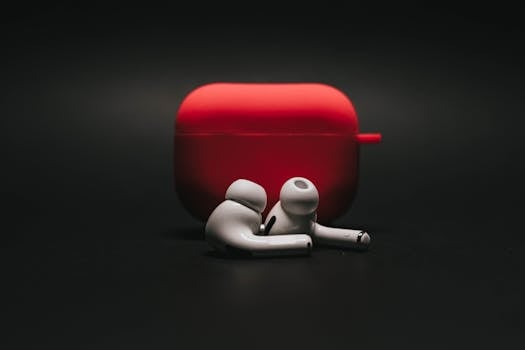
Before you wonder why your audio isn't following you around the house, it is worth doing a quick inventory check. While this feature has been out for a while, it requires specific hardware and software versions to function correctly.
You need to be using one of the following headphone models:
- AirPods Pro (all generations)
- AirPods (2nd generation or later)
- AirPods Max
- Beats Fit Pro, Powerbeats Pro, or Beats Solo Pro
On the software side, your devices need to be relatively current. If you are holding onto an old iPhone 6s or a MacBook from 2013 running an old OS, you might hit some roadblocks. Generally, ensure your iPhone is running iOS 14 or later, your iPad has iPadOS 14 or later, and your Mac is running macOS Big Sur or later. Keeping your devices updated is the number one way to ensure the "handshake" between devices remains smooth.
Managing the "Over-Eager" Switch
This is the most common complaint among everyday users. Picture this: You are working on your Mac with your favorite focus playlist pumping through your AirPods Max. You pick up your iPhone just to check Twitter or scroll through Instagram. Suddenly, your music cuts out, and you hear the silent audio of a muted Instagram video.
Your AirPods thought you wanted to hear the phone, but you actually wanted to stay in the zone on your computer. Fortunately, you can customize this behavior per device. You don't have to disable it everywhere—you can just tell specific devices to be less aggressive.
If you want to stop your AirPods from automatically jumping TO your iPhone, follow these steps:
- Put your AirPods in your ears and connect them to your iPhone.
- Open Settings and tap on the name of your AirPods near the top.
- Scroll down to the section labeled Connect to This iPhone.
- Change the setting from "Automatically" to "When Last Connected to This iPhone."
When you select "When Last Connected," the AirPods will only try to connect to that phone if it was the last device you were using them with. If you were using them on your Mac, they will stay on the Mac until you manually select them in the iPhone's AirPlay menu.
Pro Tip: Many users find the "sweet spot" is leaving Automatic Switching turned ON for their iPad and iPhone (mobile devices) but turning it to "When Last Connected" on their Mac. This prevents social media scrolling on your phone from hijacking your Zoom calls on the computer.
The "Undo" Button and Manual Control
Apple realized that Automatic Switching might sometimes catch you off guard, so they built in a subtle "Undo" feature that many users miss.
When your audio switches devices unexpectedly—say, moving from your iPad to your Mac—a small banner notification appears at the top of the screen on the device you were using (the iPad, in this example). It usually says something like "Moved to MacBook Pro."
Next to that text is a small blue arrow or button. If you tap that banner quickly, it reverses the switch. It grabs the audio connection back to the original device. It’s a handy "oops" button for when the algorithm gets it wrong.
If you miss the banner, or if you simply prefer manual control, the Control Center is your best friend. You don't need to dive into the deep Bluetooth settings menu to move your audio. Here is the fastest way to manually pull audio to your current device:
- On iPhone/iPad: Swipe down from the top-right corner to open Control Center. Tap the AirPlay icon (the triangle with circles) in the top right of the music box. Select your AirPods from the list.
- On Mac: Click the Control Center icon in the menu bar (the two toggle switches), click Sound, and select your AirPods.
Troubleshooting When Switching Gets Stuck
Sometimes, despite perfect settings and updated software, the handoff just hangs. You click play on the Mac, and the sound comes out of the speakers instead of your AirPods, even though they are in your ears. Before you reset everything, try these quick fixes.
First, check the "Automatic Ear Detection." If one AirPod is slightly loose or the sensor is dirty, the device might think you've taken them out, which pauses the automatic routing behaviors. Giving your AirPods a quick wipe-down and ensuring a snug fit often solves connection glitches.
Second, toggle Bluetooth on the "target" device. If your Mac refuses to pick up the signal, click the Bluetooth icon in the menu bar, toggle it off for three seconds, and turn it back on. This forces the device to broadcast its presence to the iCloud ecosystem again.
Finally, if things are really acting up, a "Factory Reset" of the AirPods usually clears out any corrupted iCloud data regarding the device pairing. Forget the device from your Bluetooth settings, put the AirPods in their case, hold the back button until the light flashes amber then white, and re-pair them. It takes 30 seconds but can save hours of frustration.
Mastering Automatic Switching is really about understanding how you use your devices. For some, the total automation is a dream come true. For others, a mix of automatic and manual settings provides the perfect balance of convenience and control. Play around with the settings on each device until you find the workflow that keeps your music flowing.