
Let’s be honest: the best camera isn’t the expensive DSLR gathering dust on a shelf; it’s the one you have with you when the moment strikes. For millions of us, that camera is the iPhone. Over the years, Apple has transformed the iPhone from a simple point-and-shoot device into a powerhouse of computational photography. However, most users are still only scratching the surface of what their device can actually do.
You might be tapping the shutter button and hoping for the best, but with just a few hidden gestures and setting tweaks, you can transform your snapshots into gallery-worthy images. Whether you have the latest iPhone Pro Max or an older model, the software inside is packed with "pro" features hidden in plain sight. Let’s dive into the tricks that will change the way you shoot forever.
1. Master the "Sun" Slider for Moody Lighting
Have you ever tried to take a photo of a beautiful sunset, only to have the iPhone brighten everything up so much that the rich colors wash out? This happens because your iPhone is programmed to expose the image perfectly, meaning it wants to eliminate shadows. Sometimes, though, shadows are exactly what you want.
While most people know to tap the screen to focus, few realize that this action also unlocks the exposure tool. When you tap a subject, a yellow box appears with a small sun icon next to it. This is your secret weapon.
- Tap and Hold: Tap on your subject to focus.
- Slide Down: Place your finger on the sun icon and drag it down.
- Watch the Magic: As you slide down, the shadows get deeper and the highlights (like the sky) become richer and more vibrant.
Pro Tip: If you are shooting in a tricky lighting situation where the focus keeps jumping around, tap and hold your finger on the screen for two seconds until you see AE/AF LOCK appear in yellow at the top. This locks both the focus and the exposure, allowing you to move the camera around without the lighting shifting wildly.
2. The "Long Exposure" Trick Hidden in Live Photos
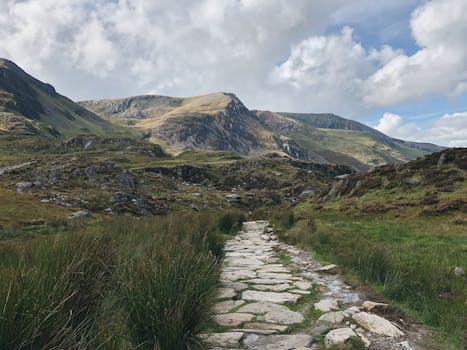
This is arguably the most impressive "party trick" in the iPhone photography arsenal. Have you ever seen those professional travel photos where a waterfall looks like silky smooth milk, or the lights of moving cars look like laser beams? Traditionally, that requires a tripod and slow shutter speeds. On an iPhone, you can do it with a single tap—after you’ve taken the photo.
The secret lies in Live Photos. When Live Photo mode is on (the concentric circles icon in the top right), your phone records 1.5 seconds of video before and after you press the shutter. Most people just treat these as moving GIFs, but the iPhone can use that data to simulate a long exposure.
Here is how to create that silky water effect:
- Ensure Live Photo is turned on and take a steady shot of moving water (a fountain, river, or waterfall).
- Open the Photos app and select the image.
- Tap the "Live" button in the top left corner of the image.
- Select Long Exposure from the dropdown menu.
The phone will instantly crop the image slightly to stabilize it and blur all the movement, creating a stunning, professional look. This works best for water, moving crowds (to blur people out), or traffic at night.
3. Perfect Composition with the Grid and Leveler
You can have perfect lighting and a great subject, but if your photo is crooked or poorly composed, it won't feel "pro." The rule of thirds is a fundamental photography concept: images look more balanced when the subject is placed off-center, at the intersection of grid lines. The iPhone has a built-in grid, but it is turned off by default.
Go to Settings > Camera and toggle on Grid. Now, when you open your camera, you will see four faint lines crossing your screen.
But here is the hidden gem: The Grid tool includes a secret Leveler for overhead shots. If you love taking photos of your food, flat-lay outfits, or documents on a desk, you know how hard it is to get the phone perfectly parallel to the table.
Did you know? When you hold your phone face-down to take an overhead shot with the Grid enabled, two crosshairs (one white, one yellow) will appear in the center of the screen. Move your phone until the two crosshairs merge into one single yellow cross. That means your phone is perfectly level with the ground!
4. Portrait Mode: Editing Depth After the Fact
Portrait Mode is fantastic for creating that creamy, blurred background (known as "bokeh") that makes subjects pop. However, the iPhone sometimes gets it wrong. It might blur too much, making the photo look fake, or blur too little, leaving the background distracting.
Many users don't realize that Portrait Mode is "non-destructive." This means you can change the intensity of the blur after you have taken the picture. You are not stuck with the settings you used at the moment of capture.
- Open a Portrait Mode photo in your gallery.
- Tap Edit in the top right corner.
- Tap the f-stop number (usually an 'f' followed by a number like f/2.8 or f/4.5) in the top left.
- A slider will appear at the bottom. Slide left or right to increase or decrease the background blur.
Lower numbers (like f/1.4) create a very dreamy, blurry background, while higher numbers (like f/16) bring the background back into focus. This gives you total creative control over how much attention you want on your subject.
5. Burst Mode for Action Shots
Trying to photograph a jumping dog, a toddler running, or a splash in a pool? Tapping the shutter button once usually results in a blurry mess or a photo taken a split second too late. This is where Burst Mode saves the day.
In older iPhones, you used to hold the shutter button down. On newer models (iPhone XS and later), holding the shutter button now starts a video recording (QuickTake). To activate Burst Mode on modern iPhones, the gesture has changed slightly.
The Slide Technique: Touch the shutter button and immediately slide it to the left. Your phone will start snapping photos at a rapid-fire rate (you’ll see a counter increasing in the shutter button circle). Once you release, you can go into the Photos app, select the burst stack, and choose the one perfect frame where the subject is sharp and the action is frozen.
Alternative Method: You can also map your Volume Up button to trigger Burst Mode. Go to Settings > Camera and toggle on "Use Volume Up for Burst." This makes the phone feel much more like a traditional camera when shooting action.
Final Thoughts: Experimentation is Key
The hardware in your pocket is capable of magazine-quality images, but the software is where the real magic happens. By taking control of exposure, utilizing the hidden power of Live Photos, and refining your composition with the grid, you move from "taking pictures" to "making photographs."
The next time you are out for a walk or at a family dinner, try just one of these tips. Slide that sun icon down. Turn on the grid. Play with the depth slider. You will be surprised at how quickly your photo game improves.